Every film is made three times:
The one that is written, the one that is shot, and the one that is ultimately discovered in the editing room.
It’s a deceptively simple idea, but it carries weight. The editing room isn’t just a workplace, it’s where the film becomes itself. Not through inspiration in a single flash, and not through technical efficiency, but through continuity (the steady accumulation of judgment).
In a room designed to hold that continuity, the third film can finally reveal itself.
When the pandemic forced post production to go remote, what disappeared wasn’t collaboration.
Editors were still editing. Notes were still coming in. Cuts were still being made.
What disappeared was the room.
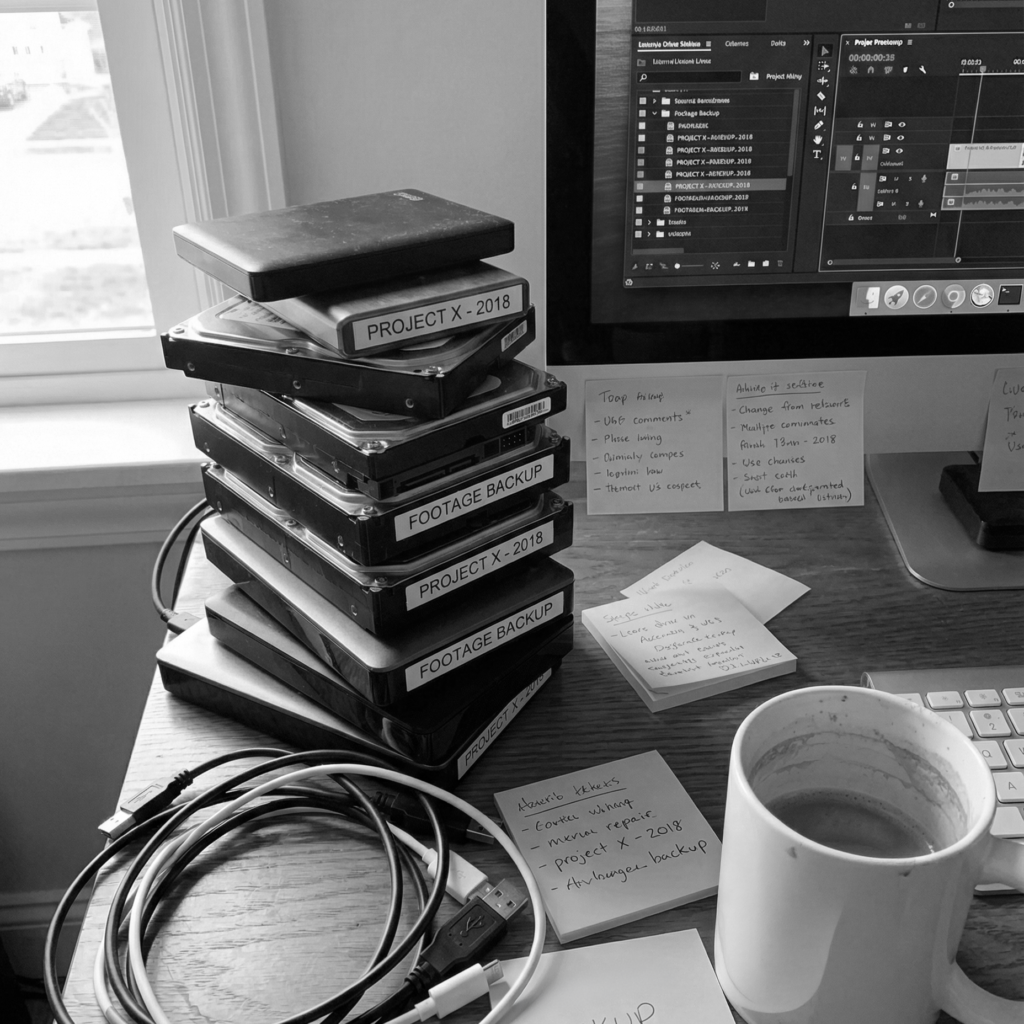
In its absence, teams tried to compensate. Hard drives were shipped around like contraband. Cloud folders metastasized. Editors rebuilt miniature versions of facilities in spare bedrooms. Producers became file managers.
For small projects, the new model worked well enough. But as soon as projects scaled, the system began to fracture.
“Working remotely on long-form projects used to mean constant shipping and managing hard drives. As the media grew, access became harder and harder. It drained creative energy. With Blue Note, all media lives in one place, accessible anywhere in the world. That changes everything.”
Nico Toll, Editor (Jack Johnson: Surfilmusic, Life of Kai)
Communication increased, but clarity didn’t. Adding editors made projects slower and more challenging. Context fragmented. Creative momentum suffered.
Large scale remote post didn’t fail because people were no longer in the same place. It failed because the shared editorial environment had vanished.
Most early attempts at remote post focused on the wrong problem. They asked how to move media faster, how to replicate edit bays at home, how to approximate proximity. But physical proximity was never the real value of the room.
The real value was continuity.
That realization led to a different question altogether.
Not: how do we do post remotely?
But: how do we rebuild the post facility itself so location stops mattering?
Distributed post production is no longer a preference. It’s a pre-requisite.
Talent is no longer geographically centralized. Long form projects can span years. Teams expand and contract repeatedly over a project’s life. Creative collaborators expect flexibility, and budgets demand efficiency.
The industry can’t return to a model where shared space is guaranteed by shared location. The room still has to exist, but it can no longer depend on everyone being in the same building.
The question is not whether post production can be distributed.
It already is.
The question is whether the room can survive that distribution.
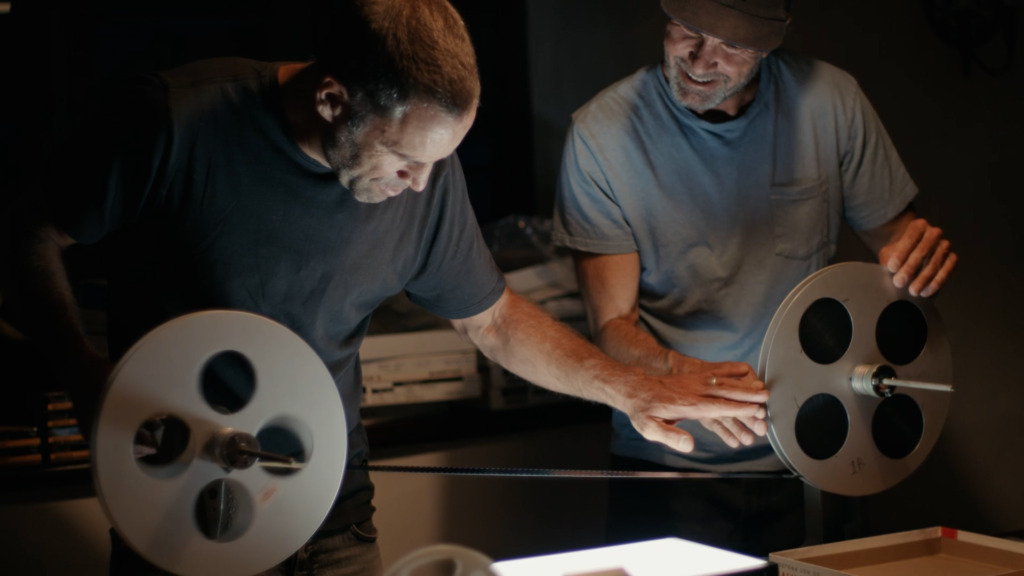
Blue Note Post was built to be the room. Not a workaround for remote work, and not a collection of tools, but a shared post environment designed to absorb complexity and preserve creative continuity across distance.
Media lives once. Context accumulates instead of scattering. Editors can come and go without resetting the project. Producers stop managing logistics and return to managing story. Adding collaborators increases momentum instead of friction.
“You can’t be sending drives and laptops to everyone’s homes anymore. On bigger shows with multiple producers and editors, the post system has to be streamlined – technically and creatively. Otherwise, you’re bogged down by workflow instead of making the best show possible.”
Raf Britto, Co-Executive Producer (Welcome To Wrexham, Paul American)
With the room in place, scale becomes predictable. Editorial teams can be turned up or down like a volume dial, adding momentum when deadlines tighten, reducing overhead when focus returns, without introducing chaos.
This system has allowed Blue Note Post to support distributed teams across long timelines, shifting scopes, and evolving creative demands.
On Conviction or Conspiracy, we onboarded a team of over a dozen post professionals including editors, assistant editors, story producers, and archive producers, working in parallel to deliver a feature-length documentary on an unprecedented timeline for a story that was still unfolding in real time.
The team was distributed across the U.S. and yet, from an operational perspective, it felt as though everyone was in the same building.
“Collaboration was seamless because production, edit, and archive were fully aligned. On a very archive-heavy show, we could respond to notes quickly using a shared, keyword-rich library. It kept us focused on storytelling instead of getting lost in the tools.”
Morgan Lott, Co-Founder & Chief Creative at Mane Co
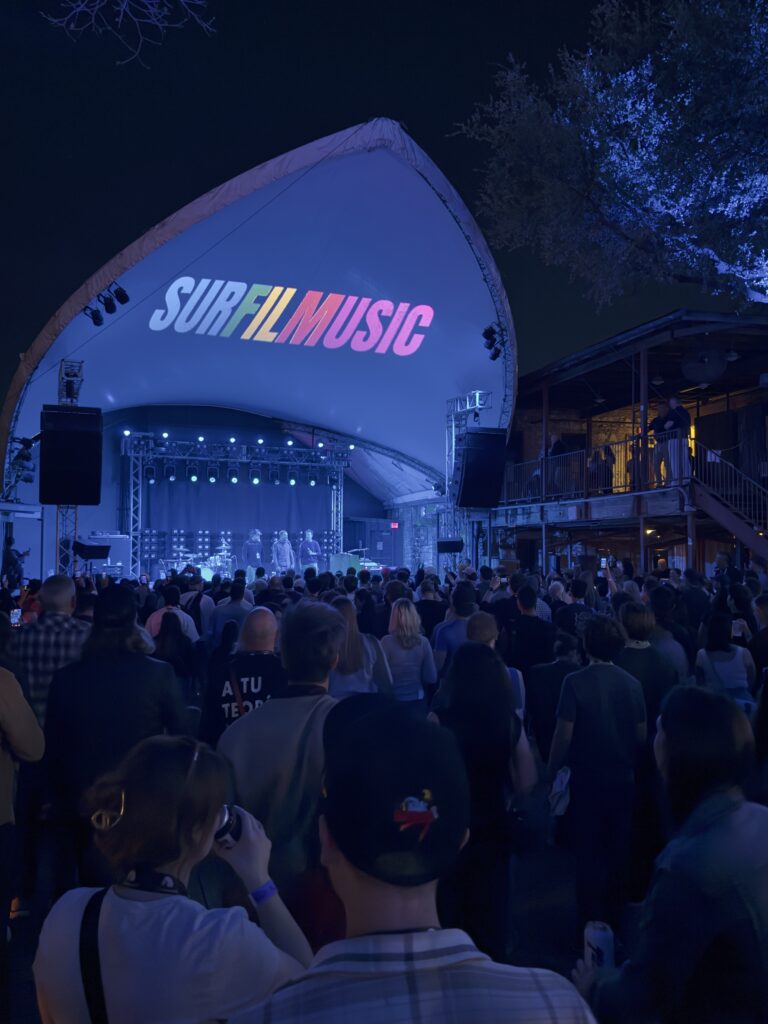
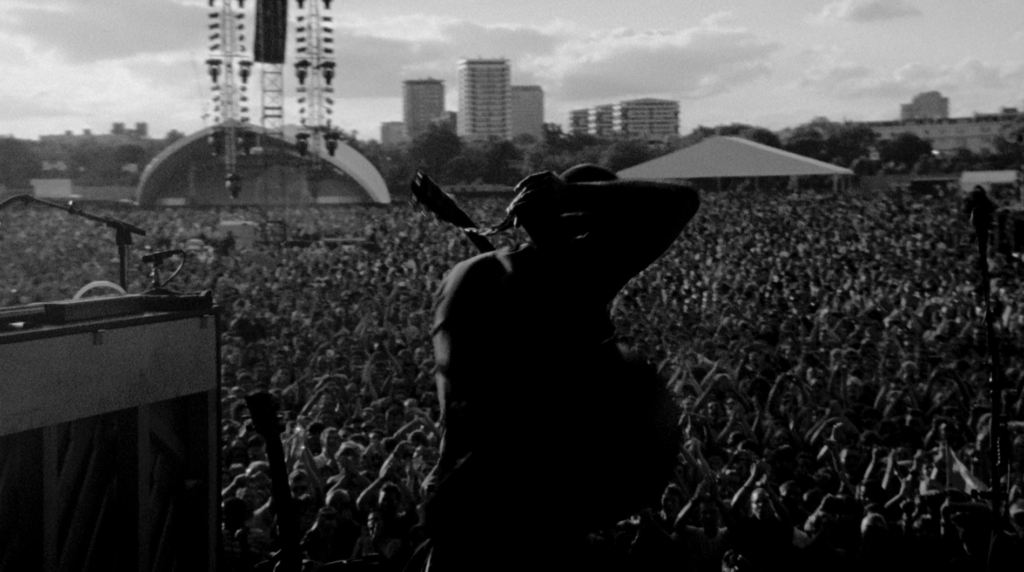
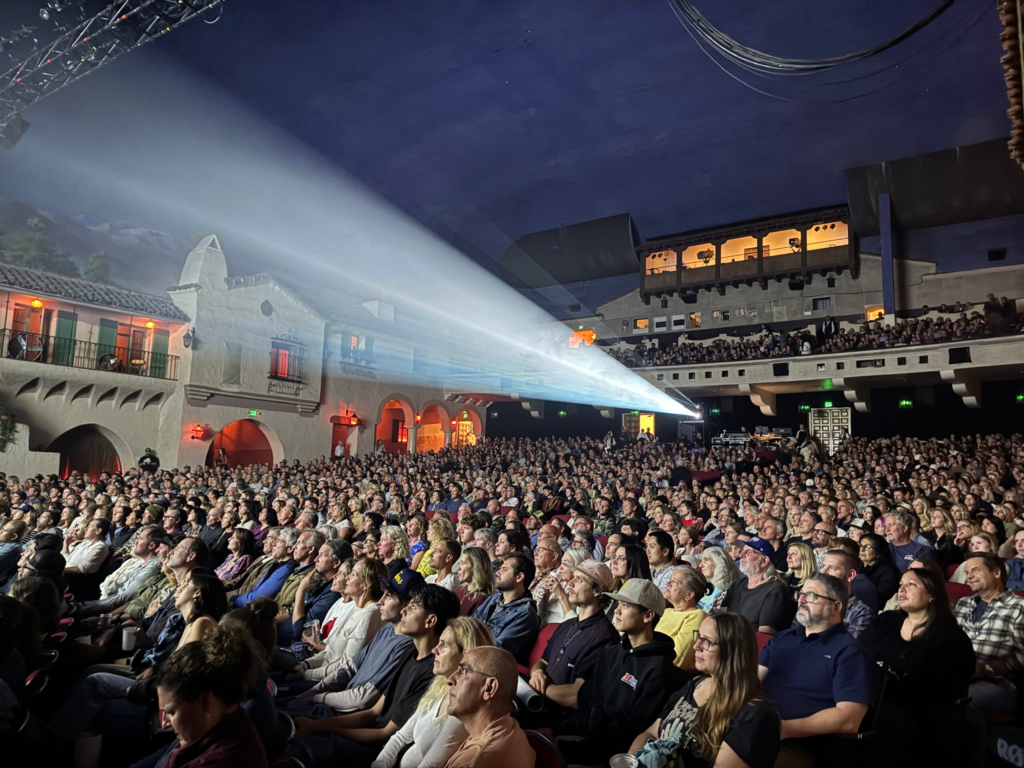
On Surfilmusic, we worked with the team at Brushfire Films to tell the story of Jack Johnson’s rise from making surf videos with friends on Oahu’s North Shore to becoming one of the most recognizable voices in modern music.
The project spanned over a year, requiring the ingest and catalog of a massive archive documenting the course of Jack’s career.
“The remote workflow is extremely powerful and dynamic for archival-heavy film projects with multiple editors. Blue Note’s system makes our work not only highly efficient, but also more creative and collaborative.”
Wyatt Daily, Producer (Surfilmusic) Archival Producer (Why We Dream, Big Wave Guardians)
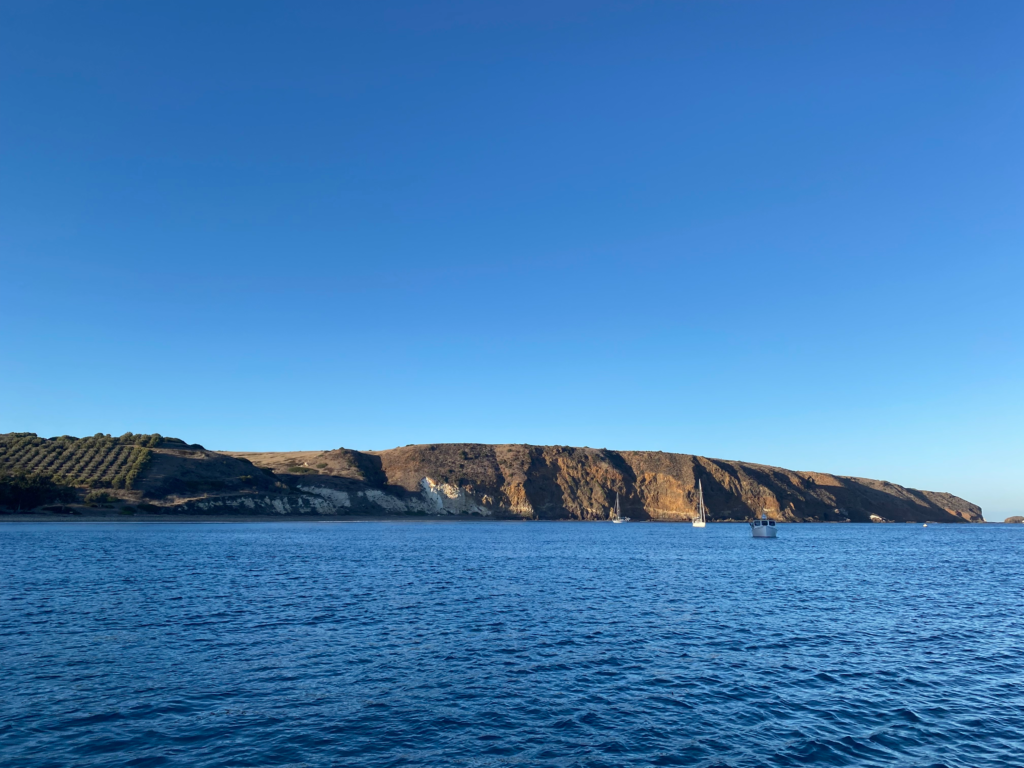
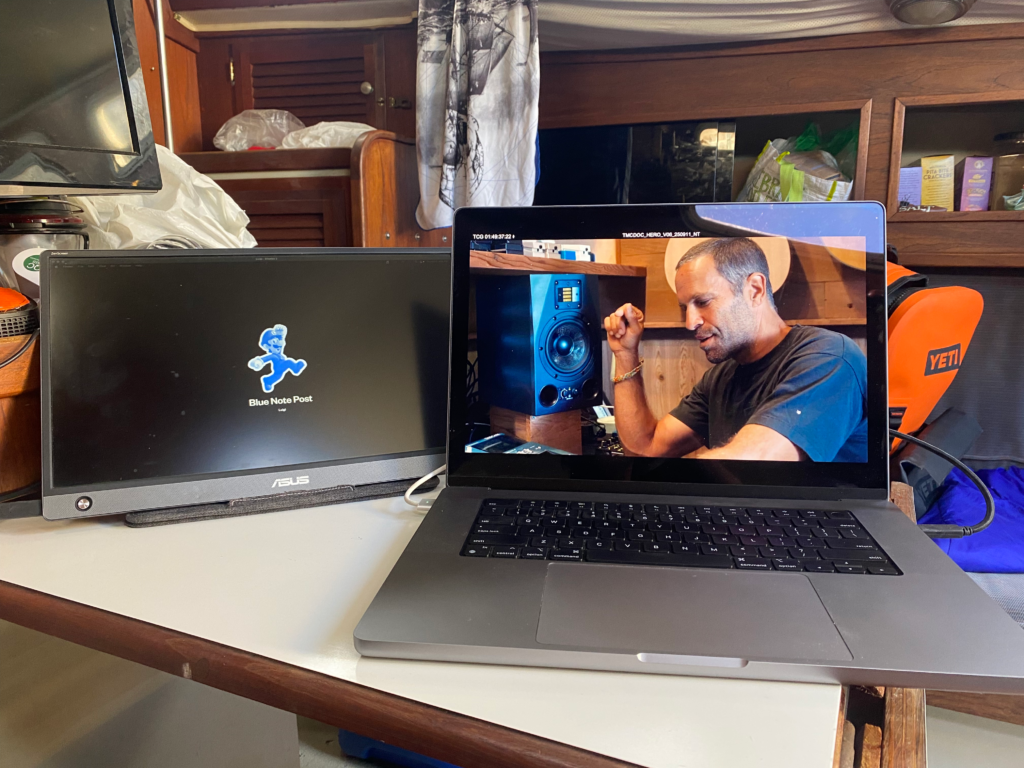
In the spirit of a film rooted in movement and exploration, the team remained distributed – at one point with an artist working from a boat off the Channel Islands. Nevertheless, the project, edit timelines, and the massive archive remained accessible to the entire team, wherever they happened to be in the world.
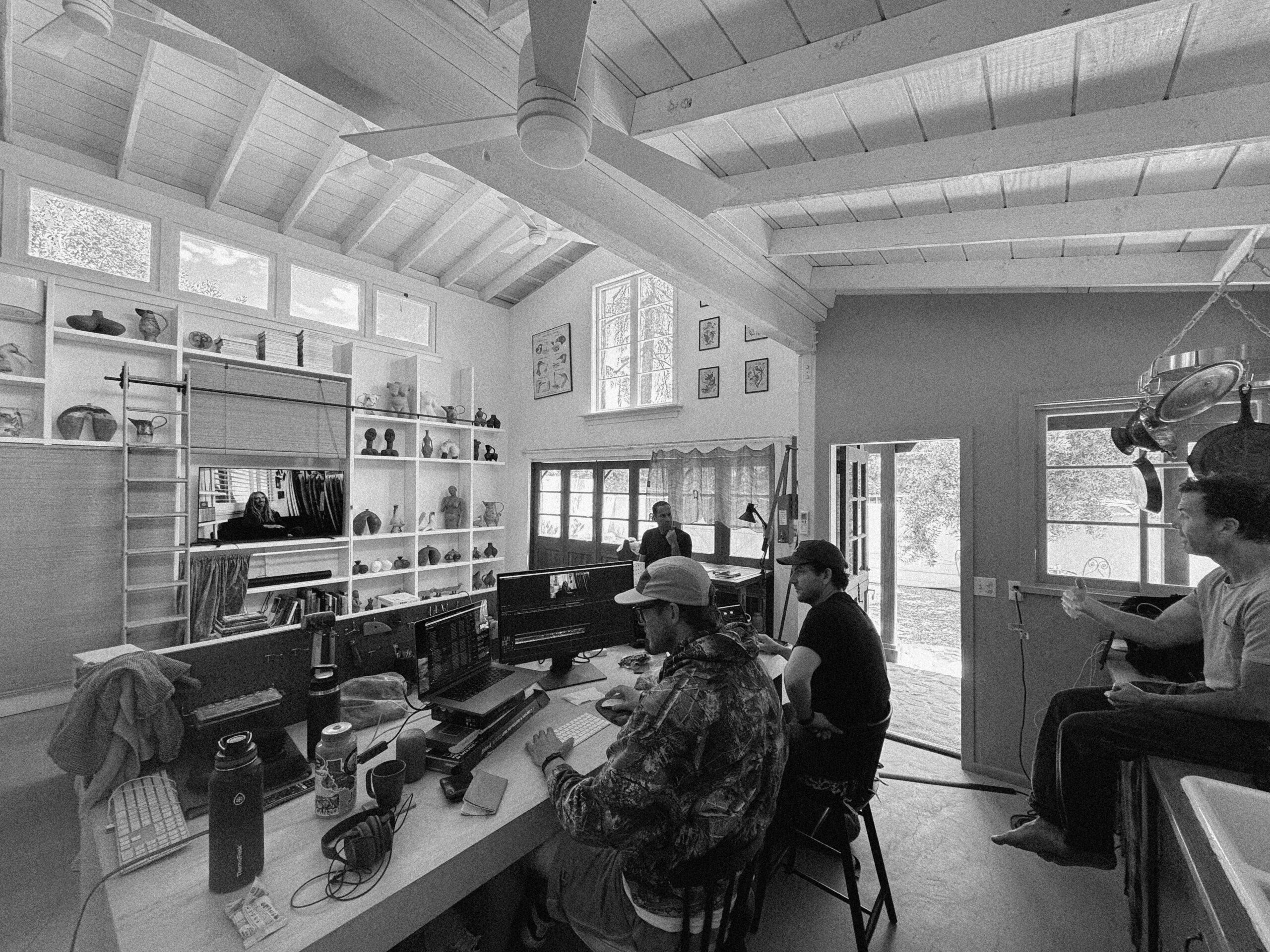
And sometimes, what a project needs most is for ‘the room’ to become literal once again.
Because the room is no longer tied to a single studio, we’ve been able to leverage facilities near directors and producers when proximity matters, and extend beyond them into offices, homes, and temporary creative spaces. With the system intact, the room travels wherever the work demands.
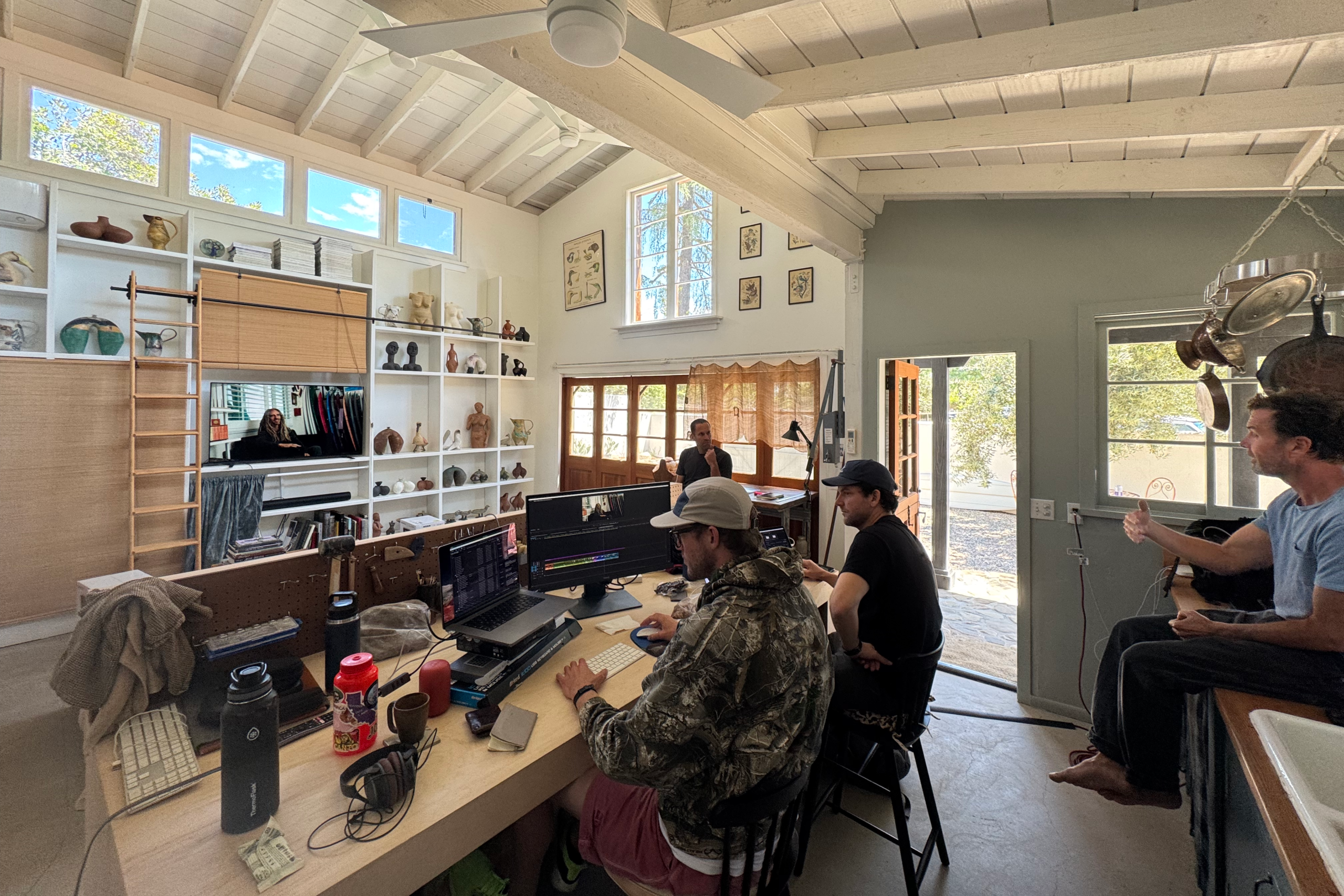
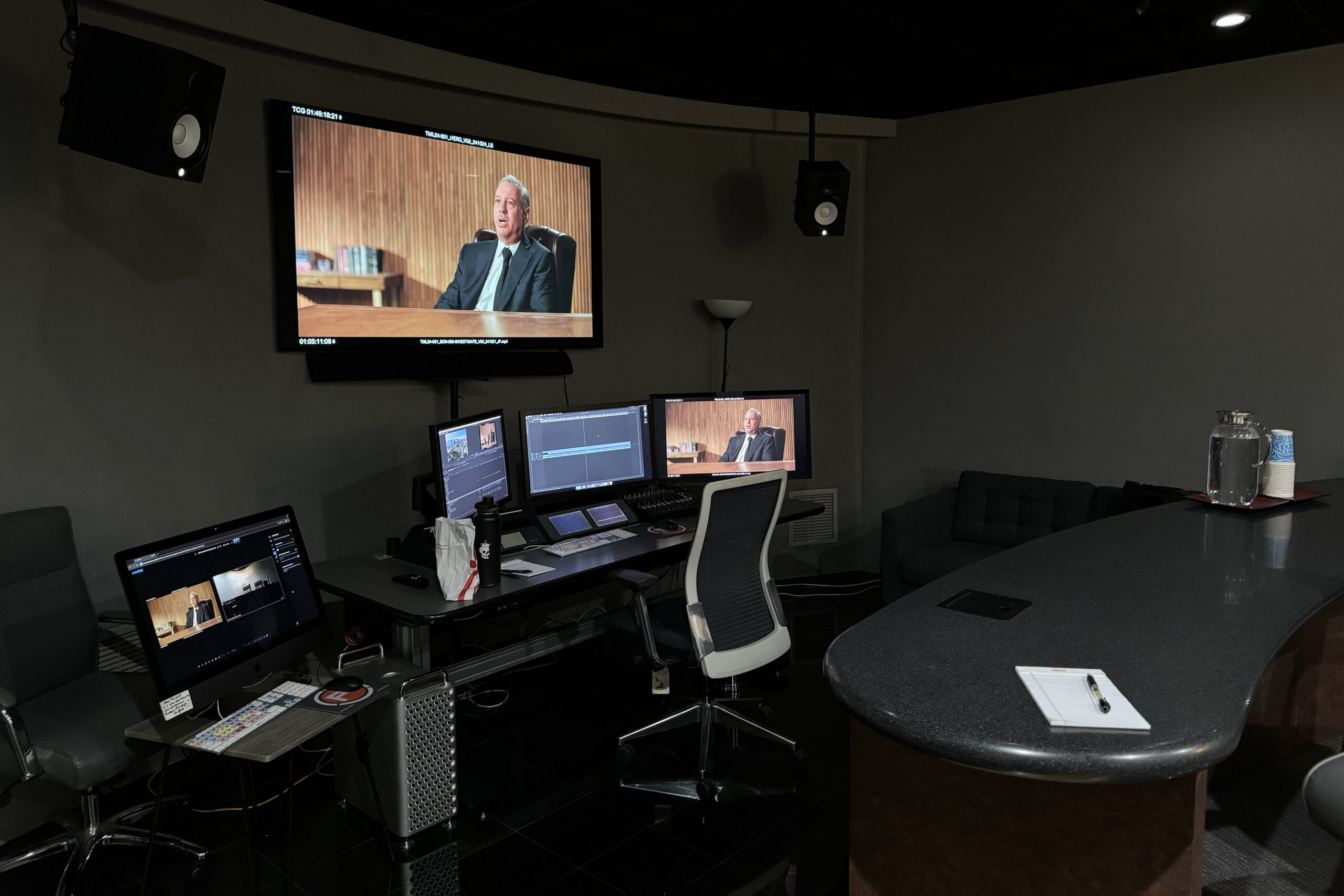
Across creative disciplines, great work depends on protected spaces of discovery where work can be tested, shaped, and allowed to resist until meaning emerges.
The editing room has always been one of those spaces.
In a distributed world, this sacred space needs to be rebuilt deliberately. It needs to preserve continuity while allowing scale. It needs to hold context steady while teams expand and contract around it.
Blue Note Post exists to ensure that the third film can still be found.
Not in spite of distribution, but because the room has been rebuilt to survive it.
If you’re developing a project that demands continuity across distance, let’s talk.